
The Difference Between Standard and Advanced Commercial Air Filters
Maintaining optimal air quality in a commercial space requires more than routine cleaning; it depends heavily on the quality of the filters installed. Commercial air filters manufacturers are central to ensuring that spaces remain free of dust, allergens, and other airborne particles that can compromise health and equipment performance. The right manufacturer combines rigorous testing, high-quality materials, and innovative design to create filters that efficiently capture contaminants. Selecting a trusted manufacturer is crucial because not all filters perform equally, and the investment in reliable filtration technology pays off in the long-term protection of both people and property.
Air filters may appear similar at first glance, but the differences in performance can be significant. Standard filters provide basic particle capture, often suitable for low-traffic areas, but they can fall short in high-demand commercial environments. Advanced filters, on the other hand, are engineered with multiple layers, electrostatic charges, or specialized media that enhance efficiency. These differences directly affect air circulation, energy consumption, and the frequency of maintenance. Understanding these distinctions helps business owners and facility managers make informed choices that balance cost with performance and health benefits.
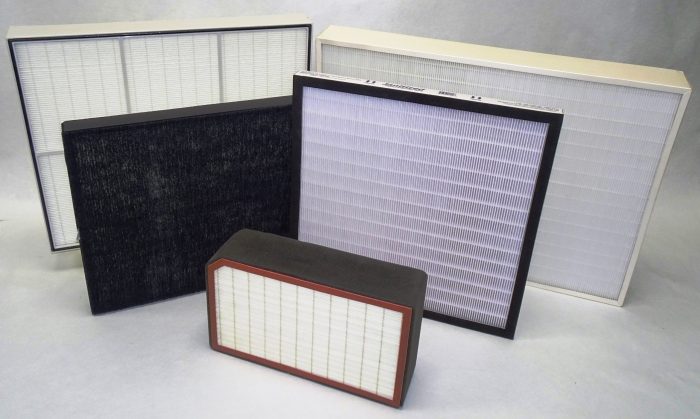
The production process of high-quality commercial air filters involves careful consideration of material composition, structural integrity, and filtration standards. Manufacturers invest in research to determine the best fibers, pleating patterns, and adhesives that maximize particle capture without hindering airflow. Rigorous testing under simulated operational conditions ensures that filters perform reliably in real-world settings. This attention to detail not only increases efficiency but also extends the lifespan of HVAC systems, reduces the frequency of replacements, and minimizes downtime for commercial operations, creating an environment that is both safe and energy-efficient.
Choosing between different manufacturers can be daunting because each offers unique technologies and specifications. Some prioritize low-cost solutions that work for general applications, while others focus on advanced filtration for sensitive environments like hospitals, laboratories, or food processing facilities. Comparing efficiency ratings, MERV levels, and independent testing certifications can clarify which products align with a facility’s specific needs. Consulting with experts or reviewing case studies can also reveal how particular filters perform over time, giving business owners confidence that their selection will maintain high air quality and system performance.
Partnering with reliable commercial air filters manufacturers ensures that every corner of a facility benefits from superior filtration. High-quality filters contribute to healthier workspaces, protect equipment, and support compliance with environmental and safety standards. The right choice influences not only immediate air quality but also long-term operational efficiency and employee well-being. Investing in advanced, well-tested filters pays dividends by reducing maintenance costs, preventing equipment damage, and creating a safer, cleaner environment that enhances both productivity and comfort for everyone who enters the space.