
Understanding RAD Disorder and the Importance of Early Emotional Connections
When Childhood Experiences Make Trust and Attachment More Complicated
A toddler stumbles in the living room, scrapes a knee, and pauses. Usually, a familiar adult’s voice or open arms offer a place to recover from the surprise. But what happens when reaching for comfort has never felt dependable? For some children, early experiences make closeness confusing rather than reassuring. That question sits at the heart of conversations about RAD disorder, also called reactive attachment disorder. It’s a rare condition, and it deserves far more understanding than quick labels or assumptions about a child’s behavior. Behind the diagnosis is a need to understand how safety and trust begin to take shape.
Babies learn about relationships through countless ordinary moments: being fed when hungry, soothed when distressed, and welcomed back after a difficult afternoon. No caregiver responds perfectly every time, nor does healthy attachment require perfection. The trouble associated with reactive attachment disorder involves severe patterns of insufficient care, such as persistent neglect or repeated changes in primary caregivers that prevent stable bonds from forming. These circumstances can interfere with a young child’s ability to expect comfort from adults. Still, adversity does not automatically lead to this diagnosis. Many children who experience hardship develop meaningful, trusting relationships, especially when their environment becomes stable and responsive.
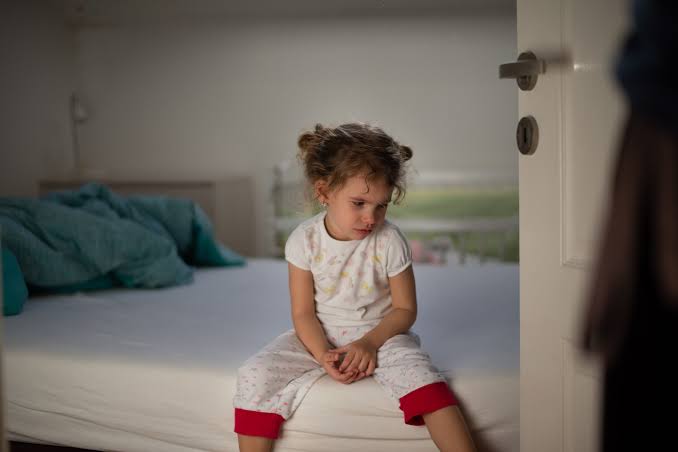
The signs can be easy to misread. A young child might rarely turn to a familiar caregiver for comfort when upset, or respond very little when reassurance is offered. Limited positive emotion and episodes of unexplained sadness, fear, or irritability during ordinary interactions may also raise concerns. Yet a quiet child, an independent toddler, or someone hesitant around strangers doesn’t necessarily have an attachment disorder. Developmental differences, other mental health conditions, and medical concerns can create similar impressions. A qualified child mental health professional looks at behavior alongside caregiving history and development, rather than drawing conclusions from a single difficult day.
For caregivers, the next question is often practical: what helps? Predictable routines, gentle responses, and an adult who stays emotionally available can create opportunities for trust to grow. Progress may arrive through small, unremarkable moments, such as a child accepting help with a task or seeking reassurance after a disappointment. Treatment should be guided by a qualified professional and usually includes support for caregivers, not just sessions focused on the child. Approaches that force affection, restraint, or frightening confrontations are not appropriate treatments. Patience matters, but patience works best alongside informed guidance and a genuinely safe caregiving environment.
It’s understandable to wish for a neat timeline, a particular milestone that announces everything has changed. Relationships rarely unfold that way, especially after early disruptions. Some children need extensive support, and improvement may look different from one family to another. What matters is taking concerns seriously without treating a diagnosis as a child’s identity. When families seek an appropriate assessment and steady support, they give connection more room to develop. Learning about RAD disorder isn’t about blaming caregivers or expecting a child to become affectionate on command. It’s about recognizing the effects of early experiences and making everyday care more consistent, sensitive, and secure.
…