
Understanding Energy Labeling and What It Means for Your Bills
Decode the Label: How Energy Ratings Reveal the True Cost of Your Appliances
Every appliance in your home—from the refrigerator to the washing machine—quietly influences your monthly energy bill. Yet most people don’t realize how much information is already available to help them choose wisely. That small, colorful energy label on your device isn’t just a formality; it’s a roadmap to understanding how much power an appliance consumes, how efficiently it runs, and what that means for your household expenses over time.
Energy labeling – energimerking bolig was designed to make efficiency transparent. When manufacturers test their products, they’re required to show how much electricity or gas each one uses under standard conditions. The results are then displayed on a scale, typically ranging from A to G, with A (and sometimes A+, A++, or A+++) marking the highest efficiency. This simple visual system allows consumers to compare different models side by side and instantly see which one will use less energy to do the same job. It’s a small piece of information that can make a huge difference when multiplied across all the appliances in a home.
Understanding these labels goes beyond just picking a letter grade. They also display annual energy consumption figures, measured in kilowatt-hours (kWh). This number can be used to estimate real-world costs based on your local energy rate. For instance, two refrigerators might look identical, but one could cost significantly more to run each year simply because it uses more kWh. Over the lifespan of the appliance, that difference adds up to hundreds of dollars—and unnecessary energy waste.
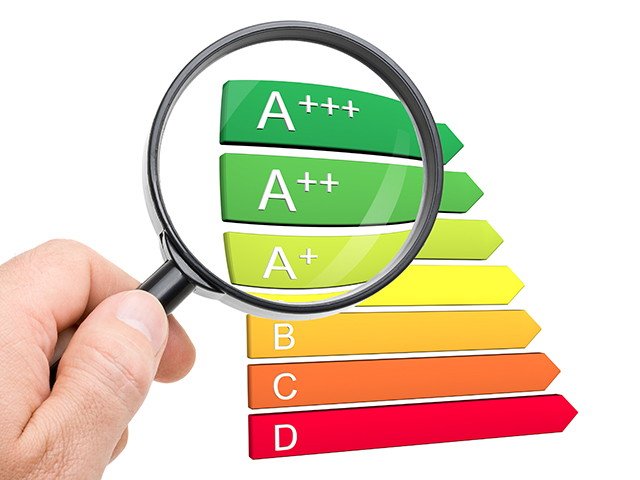
Energy labels also play an important role in environmental responsibility. Appliances with higher efficiency ratings not only lower your bills but also reduce carbon emissions and strain on the energy grid. It’s a win for both your wallet and the planet. Governments and energy agencies often provide rebates or tax incentives for choosing top-rated models, further rewarding eco-conscious decisions.
When shopping for replacements or upgrades, taking the time to compare energy labels is one of the smartest moves a homeowner can make. The slightly higher upfront cost of an efficient appliance often pays itself back through lower energy bills within just a few years. More importantly, it’s an investment in long-term savings, sustainability, and home comfort.
Energy labeling isn’t just a sticker—it’s insight. The next time you see one, take a moment to read beyond the brand name. Those numbers reveal not only how efficiently your appliance performs but how efficiently your money is being spent every month.
…