
Preventing Engine Overheating With Effective Cooling System Repairs
When you’re behind the wheel, the last thing you want is for your engine to overheat. It can ruin your day, lead to costly repairs, and even put you at risk on the road. To avoid this nightmare, understanding your vehicle’s cooling system is crucial, and knowing when to tackle Cooling System Repair can save you from a lot of trouble.
First, let’s talk about the heart of your cooling system: the radiator. If you notice your temperature gauge creeping into the red, it might be time to check the radiator for blockages or leaks. A simple visual inspection can often reveal issues like rust or dirt buildup that can impede airflow. Regular maintenance, such as flushing the radiator every couple of years, can keep it functioning optimally. Remember, a well-maintained radiator not only helps prevent overheating but also extends the life of your engine.
Next, consider the coolant itself. This fluid not only cools your engine but also prevents corrosion within the cooling system. If you haven’t changed your coolant in a while, you might want to do so soon. Old coolant can become acidic, leading to internal damage. Replacing it with fresh coolant is a straightforward process and can often be done at home with a little research. However, if you’re uncomfortable tackling this alone, don’t hesitate to seek professional help. A technician can guide you through the necessary Cooling System Repair steps to ensure everything is in top shape.
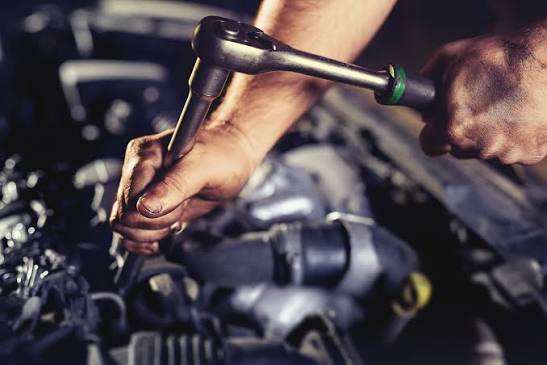
Another vital component to keep an eye on is the water pump. If your engine is overheating, the water pump might not be circulating coolant effectively. Listen for any strange noises that could indicate a failing pump or look for signs of coolant leaking from the pump area. If you suspect an issue, it’s best to address it immediately, as a malfunctioning water pump can lead to severe engine damage.
Thermostats also play a critical role in your cooling system. If the thermostat is stuck closed, your car engine won’t receive the coolant it needs to maintain a safe temperature. Symptoms of a faulty thermostat include inconsistent temperature readings or a sudden spike in engine temperature. Replacing a thermostat can be a relatively quick fix that can save you from more extensive repairs down the line.
In conclusion, taking proactive steps with your vehicle’s cooling system can save you from the stress of engine overheating during your daily drives. Regular inspections and timely Cooling System Repair can keep your engine running smoothly and efficiently. So, make it a habit to check your cooling system periodically, and don’t ignore any warning signs. A little attention now can pay off significantly in the long run, ensuring that your driving experience remains safe and enjoyable.