The Future of Home Care Monitoring
How EVV Tracking Builds Trust and Prevents Fraud
There is something remarkable happening in the world of home care, and it all centers around the way services are verified and recorded. Electronic Verification of Visits, better known as EVV tracking, has quietly reshaped how caregivers, patients, and healthcare agencies interact. It captures the simple details of every visit, time, date, and location, but the impact goes far beyond data collection. What once relied on paper records and trust now operates through real-time accuracy, reducing errors and ensuring patients receive the care they’ve been promised. Behind the technology lies something far more important: a shift toward greater integrity, transparency, and peace of mind for everyone involved.
For years, home care has relied on human honesty and manual reporting, which left too much room for uncertainty. Whether it was a missed visit or a mis recorded time, small inconsistencies could turn into larger problems for both patients and providers. This system steps into that space as a solution rooted in accountability. By using GPS-enabled devices, caregivers can record their arrival and departure times instantly, creating a digital trail that’s reliable and easy to verify. It’s not just about preventing fraud, though that’s an undeniable benefit, it’s also about restoring confidence in a system built on personal care. When families know that visits are tracked with precision, trust grows naturally, and caregivers can focus more on their patients rather than paperwork.
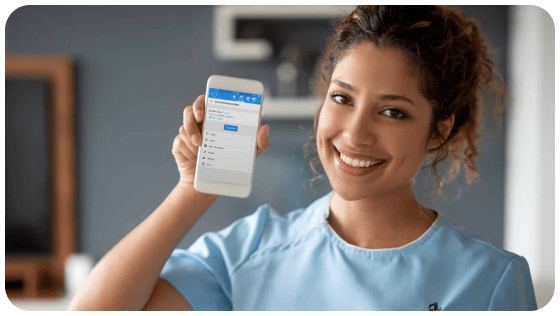
Technology has a unique way of improving human connection when used correctly. In this case, it brings structure and security to an industry that depends heavily on compassion. These systems make it easier for healthcare agencies to manage schedules, confirm visits, and ensure compliance with state and federal guidelines. It simplifies administrative work while reducing the possibility of billing errors or misunderstandings. More importantly, it empowers caregivers with tools that protect their professionalism, showing that their work is recorded and respected. That sense of reliability benefits everyone involved, from the patient who depends on care to the worker who provides it.
There’s also an undeniable ripple effect that comes from adopting this type of technology. As more providers embrace digital verification, data begins to tell a story about how care is delivered and where improvements can be made. Patterns emerge, helping organizations adjust staffing, identify service gaps, and refine quality standards. This type of insight isn’t about replacing people with technology, but enhancing decision-making to better meet patient needs. For an industry that balances empathy and efficiency, it represents a thoughtful blend of both. The result is smoother operations, better oversight, and a stronger sense of accountability at every level of care.
Looking ahead, EVV tracking will likely become even more advanced, integrating seamlessly with other healthcare technologies to provide a complete picture of patient support. It’s a sign that home care is entering a new era, one where trust is verified, not assumed, and every interaction carries a sense of purpose and protection. This evolution isn’t just about meeting regulations; it’s about building a system that honors both the patients receiving care and the professionals delivering it. As technology continues to evolve, the focus remains the same, ensuring that every visit counts, every record is accurate, and every person involved can trust that the care provided truly reflects what was promised.
…