
Understanding AC to DC Adapters and When They’re Essential
Power in the Right Form
Electricity may seem straightforward when you plug in a device, but behind the scenes, there’s often a critical conversion taking place. Many electronics require direct current (DC) to operate, while the power supplied from wall outlets is alternating current (AC). An AC to DC adapter bridges this gap, transforming the current into the form your device can actually use. Knowing when and why to use one ensures both the performance and safety of your equipment.
The primary role of an AC to DC adapter is to make sure voltage and current match the requirements of the device it powers. Most household outlets deliver AC at a fixed voltage, which is not only incompatible with many electronics but could also damage them without conversion. Laptops, smartphones, LED lighting, and various small appliances all rely on DC power, and their adapters convert the incoming AC into the correct DC voltage. Without this step, sensitive circuits inside these devices would fail almost instantly.
You’ll encounter AC to DC adapters in a wide variety of settings. For example, when charging a laptop, the brick-like adapter on the cord is performing this conversion. The same applies to phone chargers, portable speakers, and even certain gaming consoles. In industrial or hobbyist applications, adapters power equipment like CCTV cameras, 3D printers, and small motors. Anytime the device’s input label specifies DC power, an adapter becomes necessary unless the power supply is already designed to output DC directly.
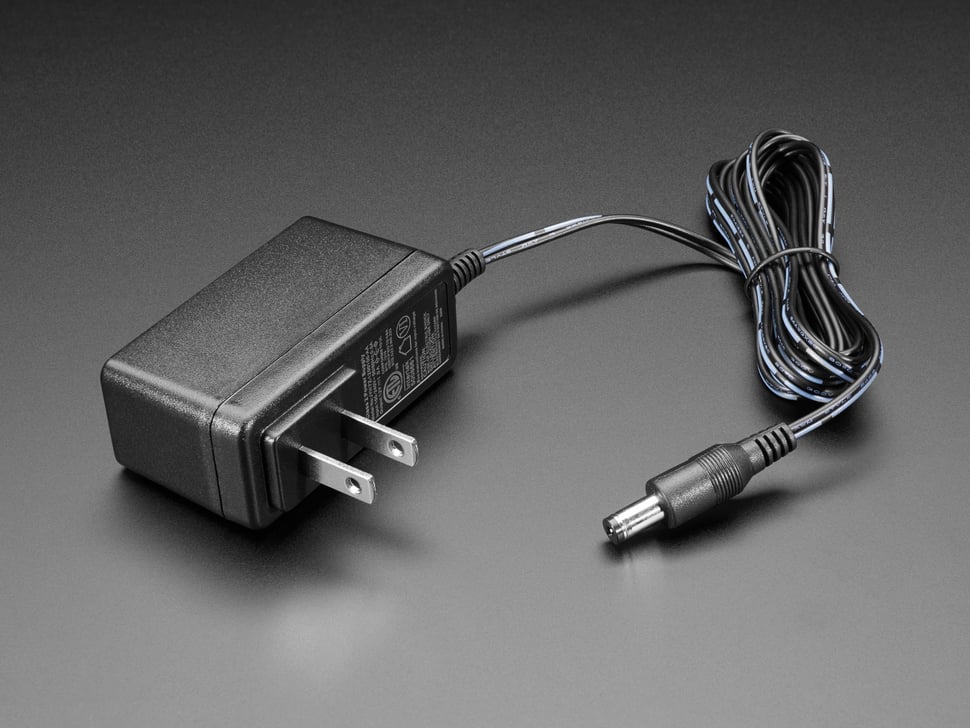
It’s important to use an adapter with the correct specifications. Voltage must match exactly—too high and you risk damaging the device, too low and it may not operate properly. Amperage can be equal to or higher than the device’s requirement, but not lower. Additionally, the polarity of the DC plug must be correct, as reversing it can cause immediate harm to the circuitry. This is why checking both the device’s manual and the adapter’s labeling is essential before making a connection.
Quality matters as well. Well-made adapters not only convert power efficiently but also include safety features like overcurrent protection, short-circuit prevention, and thermal shutdown. Cheap, poorly built adapters can overheat, fail prematurely, or even pose a fire hazard. Investing in a reliable adapter extends the lifespan of both the adapter itself and the device it powers.
In the end, an AC to DC adapter is more than a simple accessory—it’s a vital link that allows modern electronics to function safely. By understanding when to use one and how to select the right specifications, you ensure that your devices get the exact power they need, keeping them running smoothly and reliably for years to come.
…